
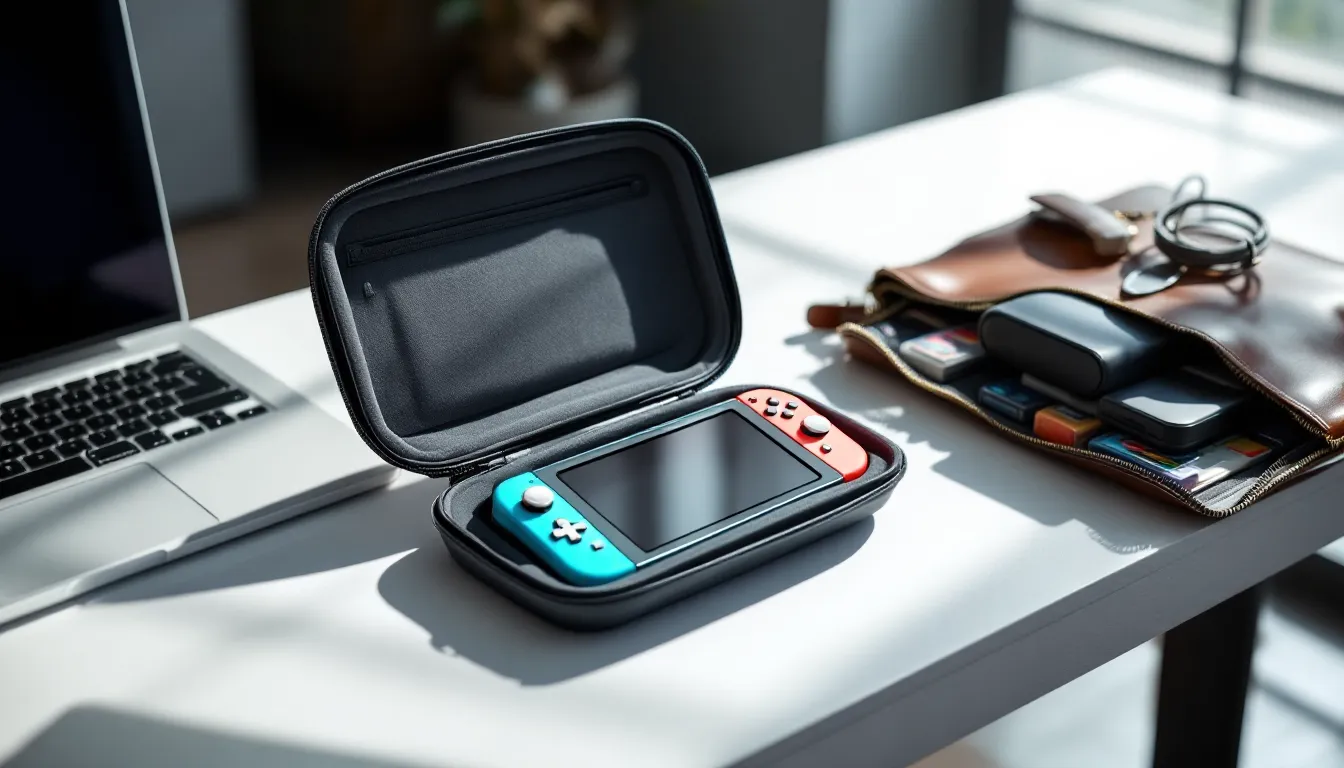
The Nintendo Switch Lite is the perfect portable companion for gaming on the go, until it takes a tumble from your lap, slides off a coffee table, or gets crushed at the bottom of a backpack. At $199.99, it’s not exactly pocket change, and Nintendo doesn’t offer the same Joy-Con replacement flexibility as the standard Switch. One nasty drop can mean a cracked screen or busted buttons, and suddenly you’re staring at repair costs that rival buying a new console.
That’s where a quality case comes in. Not all Switch Lite cases are created equal, some are flimsy fabric pouches that barely cushion a sneeze, while others are tank-like hard shells that could probably survive a minor car accident. Whether you’re a daily commuter grinding through Pokémon on the train, a frequent flyer with a 20-game library, or a casual player who just wants peace of mind, the right case can save your device and your sanity. This guide breaks down the best Nintendo Switch Lite cases available in 2026, what features actually matter, and how to pick one that fits your gaming lifestyle.
Table of Contents
ToggleKey Takeaways
- A quality Nintendo Switch Lite case protects your $199.99 console from drops, scratches, and damage that could cost hundreds in repairs, making it an essential investment from day one.
- Hard shell cases with EVA foam interiors offer the best all-around protection for drop and crush resistance, while soft pouches work best as secondary protection or for minimal transport.
- The best Nintendo Switch Lite cases balance protection, portability, and storage—prioritize models with 10-15 game slots, cable pockets, and weight under 8 ounces for daily use.
- Zippers are the first failure point in cases; stick with quality brands featuring YKK zippers and verified reviews rather than generic no-name alternatives on Amazon.
- Choose your case based on actual gaming habits: daily commuters need mid-size hard shells, occasional travelers can use budget options, and collectors should invest in premium cases with 15-20 cartridge slots.
- Replace your case when zippers fail, padding compresses, or the exterior shows stress cracks—budget cases typically last 12-18 months with regular use, while premium models last 4-5 years.
Why Your Nintendo Switch Lite Needs a Quality Case
Protection From Drops and Scratches
The Switch Lite’s plastic shell and 5.5-inch touchscreen are surprisingly vulnerable. Unlike the original Switch, which often lives in its dock, the Lite is designed to be handled constantly. That means more opportunities for disaster, dropping it while switching games, scratching the screen against keys in a bag, or scuffing the analog sticks during transport.
A decent case absorbs impact from drops up to 4-5 feet (the height of most tables and counters) and prevents screen scratches from contact with other objects. Hard shell cases with EVA foam interiors are particularly effective, distributing force across the case rather than directly onto the console. Soft pouches offer scratch protection but won’t do much if you actually drop the thing.
The analog sticks are especially at risk. They protrude from the surface, making them prime targets for damage when the console is tossed in a bag. Cases with molded interiors or raised sections keep pressure off the sticks, preventing drift-inducing damage before it starts.
Portability and Travel Convenience
The whole point of the Switch Lite is portability, and a good case enhances that instead of fighting it. The best cases strike a balance, protective enough to trust in a checked bag or crammed backpack, but slim enough that you’ll actually carry it instead of leaving it at home.
Travel-focused cases typically include storage for 8-20 game cartridges, a charging cable, and maybe a spare USB-C adapter. That’s crucial for longer trips where you don’t want to juggle loose carts in your pocket. Some premium models even have elastic straps or zippered pockets for earbuds, screen wipes, or a portable battery pack.
For daily commuters, weight matters. A case that adds more than 8-10 ounces starts to feel bulky in a messenger bag or purse. Slim profile cases sacrifice some storage but keep the overall package under a pound, which is the sweet spot for grab-and-go gaming.
Key Features to Look for in a Switch Lite Case
Material Durability: Hard Shell vs. Soft Pouch
Hard shell cases use molded EVA or polycarbonate exteriors with foam-padded interiors. They’re the gold standard for drop protection and crush resistance, think of them as tiny suitcases for your console. The tradeoff is bulk and weight. Most hard shells measure 9-10 inches long and add 6-8 ounces.
Soft pouches are made from neoprene, microfiber, or canvas with light padding. They’re lighter and more flexible, sliding easily into existing bags. The downside? They won’t save your console from a serious drop or from being sat on. Soft cases work best as secondary protection inside a larger bag, not as standalone carry options.
For most gamers, a hard shell case is the smarter investment. If you’re only transporting your Switch Lite between rooms at home, a soft pouch might suffice. But if it’s leaving the house regularly, hard shell is non-negotiable.
Storage Capacity for Game Cartridges and Accessories
Physical game collectors need cartridge slots, period. Budget cases usually offer 8-10 slots in elastic loops or mesh pockets. Mid-range and premium options bump that to 15-20 slots, often with separate compartments for SD cards.
Cable storage varies wildly. Some cases have a dedicated zippered pocket for a charging cable and USB-C adapter: others expect you to cram everything in the main compartment. If you travel overnight, look for cases with at least one extra pocket. Gaming hardware reviewers at PCMag consistently rate cases with dedicated cable storage higher for travel usability.
Don’t sleep on SD card slots. The Switch Lite’s 32GB internal storage disappears fast with digital downloads. A case that holds 2-4 microSD cards means you can swap in a 512GB card for a road trip without digging through luggage.
Comfort and Ergonomics for Gaming on the Go
Grip cases are a separate category but worth mentioning here. Some hybrid cases combine storage with ergonomic grips that attach to the back of the console. These add thickness but significantly improve comfort during long play sessions, crucial for RPGs or marathon Animal Crossing sessions.
Look for cases with smooth zippers and easy one-handed opening. YKK zippers are the industry standard for durability. Cheap zippers snag on fabric or break within months, which is infuriating when you’re trying to quickly stash your console before your bus stop.
Wrist straps or carry handles are underrated features. A simple nylon loop on the case’s spine makes it easier to carry without fumbling, especially if you’re juggling coffee and a phone.
Top Nintendo Switch Lite Cases Reviewed
Best Overall Hard Shell Case
The Tomtoc Slim Case for Switch Lite continues to dominate in 2026 for good reason. It’s a hard shell case with a honeycomb-textured EVA exterior, offering excellent drop protection in a package that’s only 9.4 x 4.7 x 2.4 inches. The interior has a soft microfiber lining that won’t scratch your screen, plus 8 game cartridge slots and a mesh pocket for cables.
What sets it apart is the removable wrist strap and the subtle design, no loud colors or gamer aesthetic, just clean black or gray. It’s been drop-tested from 5 feet repeatedly without damage to the console inside. At $19.99, it’s the best balance of protection, storage, and portability.
Best Budget-Friendly Option
The Amazon Basics Carrying Case is the no-frills champion at $12.99. It’s a basic hard shell with 10 game slots and minimal extra storage. The exterior is smooth plastic rather than textured EVA, so it’s slightly less impact-resistant, but for casual use it’s more than adequate.
The zipper is surprisingly solid for the price point, and the interior foam keeps the console snug. It lacks the premium feel of pricier options, no wrist strap, no cable pocket, but if you’re on a tight budget or buying for a kid who might lose it, this is the play.
Best Premium Carrying Case
For serious travelers, the WaterField Designs Switch Lite CitySlicker Case is overkill in the best way. At $59, it’s pricey, but you’re getting full-grain leather or ballistic nylon exterior, ultra-plush interior padding, and enough storage for 20 game carts, multiple cables, and even a portable battery pack.
The build quality is absurd, hand-stitched seams, metal zipper pulls, and a design that could pass for a high-end camera case. It’s heavier than most cases (about 10 ounces), but the protection level is unmatched. This is for collectors or anyone who treats their gear like an investment. Accessory recommendations from TechRadar frequently highlight WaterField’s craftsmanship for premium gaming gear.
Best Slim Profile Case for Minimalists
The Hori Tough Pouch is technically a soft case, but it punches above its weight class. At just 4 ounces and 8 x 4.5 x 1.5 inches, it’s the slimmest option that still offers meaningful protection. The neoprene exterior has light padding, and the interior is lined with soft fabric.
It holds 5 game carts and nothing else, no cable pocket, no frills. But if you already carry a backpack and just need something to prevent scratches, this is ideal. It’s also the easiest to slip into a coat pocket or small purse. Priced at $14.99, it’s a solid choice for minimalists who don’t need a full carry solution.
Best Heavy-Duty Case for Maximum Protection
The Mumba Deluxe Case is a tank. This hard shell case features a reinforced polycarbonate exterior with rubberized corners for extra shock absorption. It’s rated for drops up to 6 feet, which is higher than most competitors. Inside, there’s room for 15 game carts, a full-size charging cable, and a USB-C adapter.
The tradeoff is size, at 10.2 x 5 x 3 inches and 11 ounces, it’s noticeably bulkier than mid-range options. But if you’re frequently traveling by plane, checking bags, or just paranoid about damage, the Mumba is worth the extra heft. It’s available in black or camo for $24.99.
Different Types of Switch Lite Cases Explained
Hard Shell Protective Cases
Hard shells are the most popular type for a reason: they offer the best all-around protection. The outer shell is made from rigid materials like EVA (ethylene-vinyl acetate) or polycarbonate, which resist crushing and absorb impact. The interior is usually foam-padded with a soft lining.
These cases fully enclose the console with a zipper closure, protecting all sides including the screen. They’re ideal for backpacks, carry-on luggage, or anywhere the case might get jostled or compressed. Most include built-in storage for games and accessories, making them true all-in-one solutions.
The main downside is bulk. You can’t slip a hard shell into a jeans pocket, and some models are too thick for smaller bags. But for anyone who values their console, this is the default choice.
Soft Pouches and Sleeves
Soft pouches are exactly what they sound like: fabric or neoprene bags with light padding. They protect against scratches and minor bumps but won’t save your console from a hard fall or heavy pressure.
Some soft cases are open-topped sleeves that the console slides into: others have a drawstring or magnetic closure. They’re best used as secondary protection, for example, putting your Switch Lite in a soft pouch before placing it in a backpack with a hard exterior.
Gamers who frequently reset their consoles might appreciate the quick access of a soft pouch design, though protection should still be the priority. Soft cases typically run $10-20 and are good for home-to-home transport but not serious travel.
Grip Cases for Extended Play Sessions
Grip cases are a hybrid category. They’re protective shells that attach directly to the back and sides of the Switch Lite, adding ergonomic grips for more comfortable handheld play. Many include kickstands for tabletop mode.
The Satisfye Grip is the most popular model, adding contoured handles that reduce hand fatigue during long sessions. It increases the console’s thickness by about half an inch, which makes it less portable but way more comfortable for extended Zelda or Monster Hunter marathons.
Most grip cases don’t offer storage or screen protection on their own, you’ll need a separate carry case that fits the enlarged profile. Some manufacturers bundle a grip case with a compatible hard shell, which is the ideal setup for gamers who want both protection and comfort.
How to Choose the Right Case for Your Gaming Style
For Daily Commuters and Frequent Travelers
If you’re gaming on trains, buses, or planes regularly, prioritize a mid-size hard shell with good storage. You want enough game slots for variety (at least 10), a cable pocket, and a case slim enough to fit in a daily bag without dominating it.
Weight is crucial here, anything over 10 ounces combined with the console (10.1 oz) starts to feel heavy after an hour of carrying. Look for cases in the 6-8 ounce range with wrist straps for easier handling.
Durability matters more for frequent travelers. Cheap zippers will fail within months of daily use. Stick with brands known for quality hardware, even if it costs a few bucks more upfront. The Nintendo Switch home interface is designed for quick game switching, so having all your carts easily accessible in your case is a real quality-of-life boost.
For Home Gamers Who Occasionally Travel
If your Switch Lite mostly stays home but you want protection for the occasional trip, a budget hard shell or even a quality soft pouch will do the job. You don’t need 20 game slots if you’re only traveling a few times a year, 8-10 is plenty.
Focus on cases that are easy to store when not in use. Some premium cases have such rigid construction that they take up unnecessary space in a closet. A mid-range case that can flatten slightly when empty is more practical for occasional use.
You can also get away with less drop protection if the console isn’t constantly in transit. A case rated for 3-4 foot drops is adequate for home-to-car-to-destination travel.
For Collectors With Large Game Libraries
Physical game collectors need maximum storage, period. Look for cases with 15-20 cartridge slots, plus dedicated SD card storage. Some cases have removable cartridge holders that can be swapped out, which is useful if you want to organize games by genre or take only specific titles on trips.
Premium cases with multiple zippered compartments let you separate accessories, charging cables in one pocket, extra Joy-Con grips or styluses in another. This level of organization prevents the “bag of random gaming crap” problem.
Consider a case with a hard exterior pocket for items you need quick access to, like your phone or wallet. That way, your gaming case can double as a small carry-all for short trips. Resources at Nintendo Life often feature accessory roundups geared toward collectors who need serious storage solutions.
Caring for Your Nintendo Switch Lite Case
Cleaning and Maintenance Tips
Hard shell cases accumulate dust, fingerprints, and general grime surprisingly fast. For EVA or plastic exteriors, wipe them down monthly with a damp microfiber cloth. Avoid harsh chemicals, warm water with a tiny drop of dish soap is more than enough.
Interior microfiber linings can trap dust and debris that might scratch your screen over time. Every few months, vacuum the interior with a handheld vacuum on low power, or use a lint roller to grab particles. If the lining is removable (rare but not unheard of), hand wash it in cold water and air dry completely before reassembling.
Zippers need occasional maintenance too. If a zipper starts to stick, rub a bar of soap or a graphite pencil along the teeth. This lubricates without attracting dust like oil-based products do.
Soft pouches are easier, most are machine washable on gentle cycle. Just remove the console first (obviously) and air dry. Don’t use the dryer: heat can warp padding or melt synthetic fabrics.
When to Replace Your Case
Zippers are the first failure point. If a zipper breaks or starts separating under normal use, replace the case immediately. A case that won’t close properly offers zero protection.
Check the interior padding every 6-12 months. Foam compresses over time, especially in cheaper cases. If the console feels loose inside or there’s visible flattening of the padding, it’s time for an upgrade. Compressed foam won’t absorb impacts effectively.
Exterior cracks or tears are obvious red flags, but also watch for stress points, areas around the zipper or corners that see repeated impact. If the exterior shell is visibly deforming or has stress cracks, it’s lost its structural integrity.
For daily users, expect to replace a budget case every 12-18 months. Mid-range cases should last 2-3 years, and premium options can go 4-5 years with proper care. If you’ve moved to Starlink-powered gaming setups for remote play, keeping your case in top condition is even more important for on-the-go connectivity.
Common Mistakes to Avoid When Buying a Switch Lite Case
Buying based on looks alone. That neon case with your favorite game character might look sick, but if it’s a flimsy soft pouch, it’s not protecting anything. Function over form, always.
Ignoring interior dimensions. Some cases are designed for the original Switch and claim compatibility with the Lite. The Lite will fit, but it’ll rattle around inside, which defeats the purpose. Always check for Lite-specific models or adjustable interiors.
Overbuying storage you won’t use. If you’re primarily a digital gamer, you don’t need 20 cartridge slots. That extra storage adds bulk and cost for no benefit. Buy for your actual needs, not hypothetical ones.
Trusting generic Amazon brands without reviews. The marketplace is flooded with identical-looking cases from no-name brands. Some are fine: many are garbage. Stick with brands that have substantial review history or are recommended by gaming accessory experts. A case with 50 five-star reviews from verified purchases is more trustworthy than one with 500 unverified reviews.
Forgetting about grip cases if you play handheld a lot. If you regularly game for 2+ hour sessions, the Switch Lite’s ergonomics will wear on you. A grip case isn’t a luxury: it’s a necessity for long-term comfort. Don’t realize this after you’ve developed hand cramps.
Buying a case that doesn’t fit in your daily bag. Measure your backpack or messenger bag’s interior pockets before buying a chunky hard shell. A case that doesn’t fit your carry setup will end up staying home, which means your console goes unprotected.
Skipping cable storage. You will, at some point, need to charge on the go. A case without dedicated cable storage means fishing a tangled USB-C cable out of your bag or pocket. Spend the extra $5 for a case with a proper cable pocket.
For more tips on maintaining your Nintendo Switch ecosystem, check out the full Nintendo Switch coverage for troubleshooting, accessory guides, and setup optimization.
Conclusion
The right Nintendo Switch Lite case isn’t about brand names or flashy designs, it’s about matching protection and portability to how you actually game. Daily commuters need durable mid-size hard shells with solid storage. Occasional travelers can get away with budget options or soft pouches. Collectors and road warriors should invest in premium cases with maximum capacity and build quality.
In 2026, the sweet spot for most gamers is still a hard shell case in the $15-25 range with 10-15 game slots, a cable pocket, and proven drop protection. The Tomtoc Slim Case continues to nail that balance, but don’t sleep on options like the Mumba Deluxe if you need extra durability or the WaterField CitySlicker if you want heirloom-quality craftsmanship.
Whatever you choose, buy it before you need it. The best time to protect your console was the day you bought it: the second-best time is now. One preventable drop will cost more than even the most premium case on this list.