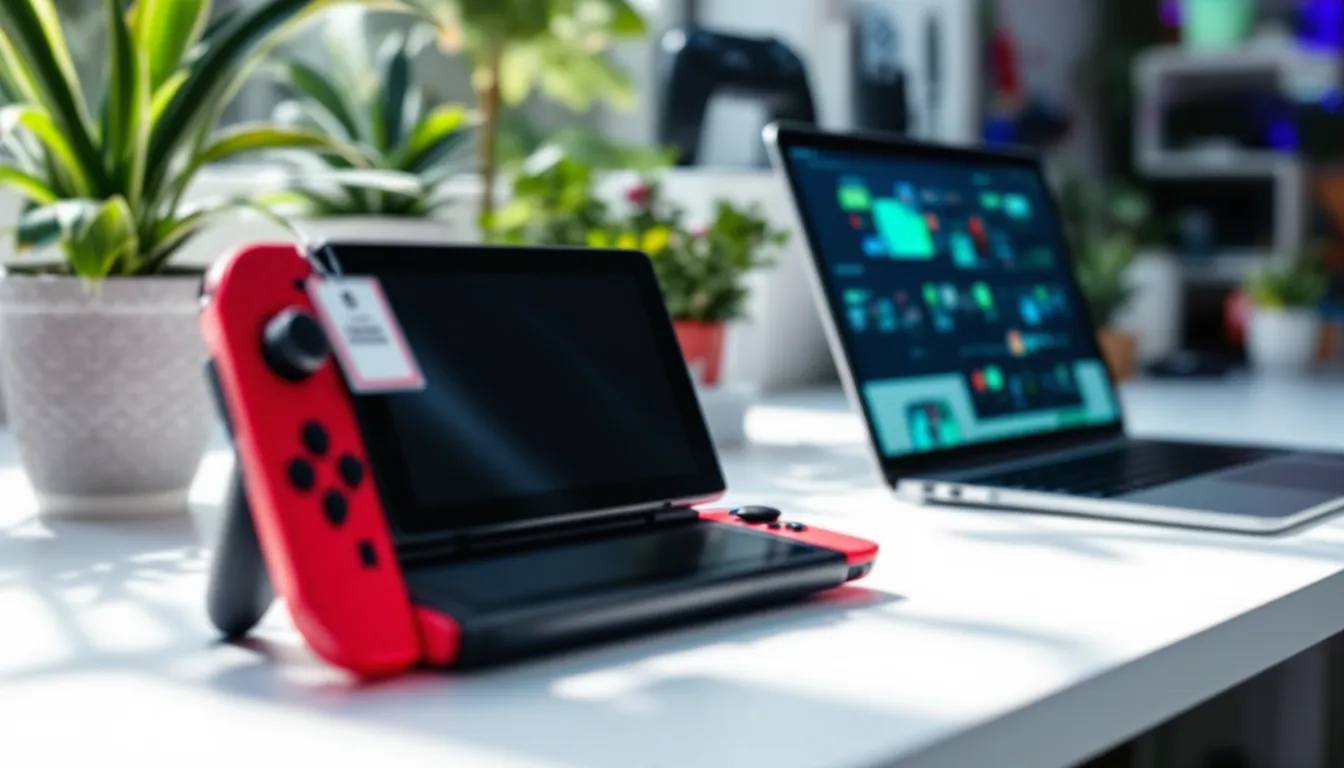
The Nintendo Switch remains one of the most popular gaming consoles on the market, but at $300+ for the standard model, it’s not exactly pocket change. Whether you’re a parent looking to surprise the kids or a budget-conscious gamer wanting to jump into The Legend of Zelda or Mario Kart 8 Deluxe, finding a cheap Nintendo Switch in 2026 is entirely doable, if you know where to look.
This guide breaks down everything you need to score a solid deal: which model offers the best bang for your buck, where to shop (both online and locally), when to time your purchase, and how to navigate the pre-owned and refurbished market without getting burned. Let’s cut through the noise and get you gaming without emptying your wallet.
Table of Contents
ToggleKey Takeaways
- The Nintendo Switch Lite ($199.99) is the best budget option for handheld-only gaming, while the standard model ($299.99) offers the best value for versatile play on TV and on-the-go.
- A cheap Nintendo Switch can be found through official retailers during Black Friday, Cyber Monday, and back-to-school sales, or via refurbished units from Nintendo’s official store with full one-year warranties.
- Pre-owned Switches from pawn shops, Facebook Marketplace, and Swappa cost $50–$100 below retail, but require thorough inspection of screen condition, Joy-Con drift, battery life, and serial number verification before purchase.
- Bundles with included games or Nintendo Switch Online credit offer genuine value, but avoid packages with unwanted third-party accessories or games you won’t use.
- Scams are common in the used electronics market—avoid suspiciously low prices, stock photos-only listings, and payment requests outside secure platforms; always meet sellers in public for in-person transactions.
- Offset console costs by buying discounted digital games from the eShop, purchasing used physical titles, and using GameStop or Best Buy trade-in programs for old consoles and accessories.
Understanding Nintendo Switch Models and Pricing
Before hunting for deals, you need to know what you’re actually buying. Nintendo offers three distinct Switch models in 2026, each with different price points and feature sets. Picking the right one can save you cash upfront or down the line.
Nintendo Switch OLED vs. Standard vs. Lite: Which Offers the Best Value?
The Nintendo Switch OLED launched in October 2021 and remains the premium option. It features a 7-inch OLED screen (up from the standard’s 6.2-inch LCD), enhanced audio, a wider adjustable stand, 64GB of internal storage, and an Ethernet port in the dock. It’s the best choice if you play primarily in handheld mode and value screen quality. But, it’s also the priciest.
The standard Nintendo Switch (sometimes called the V2 model, released in 2019) offers the full hybrid experience: play docked on your TV or take it on the go. It has a 6.2-inch LCD screen, 32GB of storage, and improved battery life over the original 2017 model (4.5–9 hours vs. 2.5–6.5 hours). This is the sweet spot for most players who want versatility without paying the OLED premium.
The Nintendo Switch Lite is the budget-friendly, handheld-only option. Released in September 2019, it’s smaller (5.5-inch screen), lighter, and costs significantly less. The trade-off? No TV docking, no detachable Joy-Cons, and no tabletop mode. It’s perfect for solo gamers who prioritize portability and don’t care about playing on a big screen. Be aware that some games like 1-2-Switch and Ring Fit Adventure aren’t compatible or require additional controllers.
Value verdict: If you’re on a tight budget and only play handheld, the Lite is your best bet. If you want the full Switch experience without overpaying, go standard. The OLED is worth it only if you’re a handheld-mode devotee who can find it near the standard’s price.
Current Retail Prices and What to Expect in 2026
As of early 2026, here’s what you’ll typically pay at major retailers:
- Switch OLED: $349.99 USD
- Standard Switch: $299.99 USD
- Switch Lite: $199.99 USD
Nintendo rarely drops MSRP on hardware, even years after launch. Unlike PlayStation or Xbox, which see official price cuts over time, the Switch has held its pricing remarkably steady since 2017. That said, retailers occasionally bundle games or accessories at the same price, effectively discounting the console.
In 2026, don’t expect a sudden $50 price drop unless Nintendo announces a successor console (rumors have been swirling about a “Switch 2” for years, but nothing confirmed as of March 2026). If a new model does drop, the current lineup will likely see discounts or clearance pricing within 3-6 months.
Best Places to Buy a Cheap Nintendo Switch
Knowing where to shop is half the battle. Different sellers offer different advantages, from warranties to dirt-cheap prices. Here’s the rundown.
Official Retailers and Authorized Sellers
Start with the big names: Amazon, Best Buy, Target, Walmart, and GameStop. These retailers occasionally run sales, especially during Black Friday, Cyber Monday, and back-to-school season. Best Buy’s My Best Buy membership sometimes grants early access to deals, while Target’s RedCard saves you an extra 5% on every purchase.
Nintendo’s official store also sells refurbished consoles directly (more on that later). Buying from authorized sellers ensures you’re getting a legitimate product with a valid warranty, which is crucial if something goes wrong.
Don’t sleep on warehouse clubs like Costco or Sam’s Club. They often bundle Switch consoles with games, controllers, or eShop credit at competitive prices. You’ll need a membership, but if you already have one, it’s worth checking.
Online Marketplaces and Third-Party Platforms
eBay, Facebook Marketplace, Craigslist, Mercari, and OfferUp are goldmines for cheap Switches, but they require more caution. Prices here can be $50–$100 below retail, especially for used units. eBay offers buyer protection, making it safer than peer-to-peer platforms. Always check seller ratings and completed listings to gauge fair pricing.
Swappa is a hidden gem for buying and selling used electronics. It’s moderated to reduce scams, and listings include serial numbers and photos. Prices tend to be slightly higher than Facebook Marketplace but lower than GameStop’s pre-owned section, with better peace of mind.
Avoid shady third-party sellers on Amazon or sketchy “too good to be true” deals on sites you’ve never heard of. If a brand-new OLED is listed for $150, it’s either fake, stolen, or a scam.
Local Options: Pawn Shops, Garage Sales, and Community Boards
Pawn shops can be hit-or-miss, but they’re worth a visit if you’re near one. Switches typically sell for $150–$200 depending on condition and model. Haggling is expected, so don’t pay the sticker price. Inspect the console thoroughly before buying, more on that in the pre-owned section.
Garage sales and estate sales occasionally yield Switches for under $100, though you’ll need patience and luck. Bring cash, arrive early, and test the console on the spot if possible.
Community boards like Nextdoor or local Facebook groups sometimes have parents selling consoles their kids outgrew. These sellers are often more flexible on price and less likely to scam you than anonymous online listings.
Timing Your Purchase for Maximum Savings
Patience pays off. Buying at the right time can save you $50+ or land you a killer bundle.
Seasonal Sales and Holiday Deals
Black Friday and Cyber Monday are the best times to buy a Switch. Retailers often bundle consoles with games like Mario Kart 8 Deluxe or Animal Crossing: New Horizons at or near MSRP, effectively giving you a free $60 game. In 2025, Best Buy offered a standard Switch with Mario Kart 8 and three months of Nintendo Switch Online for $299.99, a solid deal.
Amazon Prime Day (July) sometimes features Switch discounts or bundles, though they’re typically not as aggressive as Black Friday.
Back-to-school sales (late August through September) occasionally include $20–$30 off standard models or gift card bonuses at Target and Walmart.
Avoid buying in October through early November unless there’s a specific sale. Retailers know holiday demand is coming and rarely discount consoles before Black Friday.
New Model Release Cycles and Price Drops
Nintendo’s release cadence is unpredictable, but history offers clues. The Switch Lite launched in September 2019, followed by the OLED in October 2021. If a “Switch 2” or successor console launches in late 2026 or 2027, expect current models to see discounts or bundles within months.
Monitor gaming news sites and communities for credible leaks or official announcements. When Sony and Microsoft announce new consoles, older models often drop $50–$100 within a quarter. Nintendo’s more stubborn, but clearance pricing does happen eventually.
Buying Refurbished or Pre-Owned Nintendo Switch Consoles
Refurbished and pre-owned Switches offer the deepest discounts, often $50–$100 below retail. But not all used consoles are created equal.
Where to Find Certified Refurbished Units
Nintendo’s official refurbished store is the gold standard. They sell refurbished Switch consoles (standard and OLED) for about $260 and $310, respectively, with a full one-year warranty. These units are inspected, repaired, and tested by Nintendo, making them nearly as reliable as new. Stock fluctuates, so check regularly or sign up for restock alerts.
GameStop’s pre-owned consoles come with a 30-day warranty and typically cost $250–$270 for a standard Switch. You can also trade in old hardware to knock the price down further. Quality varies, so inspect before leaving the store if buying in person.
Best Buy’s refurbished section (via their website) occasionally lists Switches for $240–$280 with a 90-day Geek Squad warranty. Availability is inconsistent, but deals pop up.
Some community members have reported success with factory resetting their units after purchase to ensure a clean slate, especially when buying pre-owned locally.
What to Check Before Buying Used
Whether you’re buying from a pawn shop, Craigslist, or eBay, inspect these components before handing over cash:
- Screen condition: Look for scratches, dead pixels, or discoloration. Turn on the console and check every corner.
- Joy-Con drift: This notorious issue causes the analog stick to register movement when you’re not touching it. Test both sticks in the system settings under “Controllers and Sensors > Calibrate Control Sticks.”
- Battery life: Ask the seller how long it holds a charge. The V2 standard Switch should last 4.5–9 hours: anything under 3 hours suggests battery degradation.
- Charging port and dock connectivity: Ensure the console charges properly and connects to the dock (if applicable). Bent or damaged USB-C ports are a red flag.
- Serial number verification: Check that the serial number on the console matches the box and hasn’t been reported stolen. You can verify warranty status on Nintendo’s support site.
- Included accessories: Make sure you’re getting the dock, Joy-Cons, grip, HDMI cable, and AC adapter (for standard and OLED models). Replacing missing accessories costs $50+.
If buying online, demand photos or videos of the console powered on and showing the system settings menu. Serial number photos are non-negotiable.
Warranty and Return Policies for Pre-Owned Consoles
Official refurbished units from Nintendo come with a one-year warranty, the same as new. GameStop offers 30 days, Best Buy’s Geek Squad 90 days. Private sellers typically don’t offer returns, so thorough testing is critical.
If you buy from eBay, PayPal or eBay’s Money Back Guarantee covers you if the item doesn’t match the description. Document everything with photos and messages. Facebook Marketplace and Craigslist have zero buyer protection, so proceed with caution.
Bundles vs. Console-Only: Which is the Better Deal?
Retailers love bundles. Sometimes they’re great value: other times they’re a way to offload unwanted inventory. Here’s how to evaluate them.
Console + game bundles are usually worthwhile if the included game is one you’d buy anyway. A standard Switch with Mario Kart 8 Deluxe for $299.99 is effectively a free $60 game. But, if the bundle includes a game you don’t want, you’re not saving money, you’re just stuck with extra clutter.
Console + accessory bundles (cases, screen protectors, extra Joy-Cons) are hit-or-miss. Calculate the individual component prices. If the bundle saves you less than $20, skip it and buy accessories separately when they’re on sale.
Console + eShop credit bundles are solid if the credit amount is substantial ($20+). Digital currency never expires and works for any game or DLC.
Avoid bundles with obscure third-party accessories you’ve never heard of. That “premium” carrying case is probably worth $5 on Amazon, not the $30 the retailer claims.
According to industry coverage from TechRadar, bundles tend to offer the best value during Black Friday and Cyber Monday, when retailers compete aggressively for your dollars.
How to Spot Fake Deals and Avoid Scams
The used electronics market is crawling with scammers. Here’s how to protect yourself.
Red Flags When Shopping Online
- Suspiciously low prices: A brand-new OLED for $150? Fake or stolen. If the price is more than 30% below retail without a compelling reason (damaged box, minor cosmetic wear), walk away.
- Stock photos only: Sellers should provide real photos of the actual console, including serial numbers and the system settings screen showing no linked Nintendo Account.
- Vague descriptions: Listings that say “works great” without details about condition, included accessories, or firmware version are sketchy.
- Pressuring urgency: “Only available today.” or “Message me fast.” is a classic scam tactic.
- Payment requests outside the platform: If a seller asks you to pay via Venmo, Zelle, or wire transfer instead of the platform’s built-in payment system, it’s a scam. Legitimate sellers use PayPal, eBay checkout, or cash for local meetups.
- No return policy or warranty: Especially on eBay or Mercari, sellers refusing returns often know the product is defective.
Verifying Seller Authenticity and Product Legitimacy
On eBay or Mercari, check the seller’s rating and read recent reviews. Look for sellers with 95%+ positive feedback and dozens (ideally hundreds) of completed transactions. Be wary of brand-new accounts.
Ask for the console’s serial number and cross-check it on Nintendo’s support site to verify warranty status and confirm it hasn’t been banned from online services. Banned consoles (often from hacking or piracy) can’t access the eShop or online multiplayer, a dealbreaker for most players.
For local meetups, meet in public places like police station parking lots or busy coffee shops. Test the console before paying. Bring a portable charger or ask the seller to charge it beforehand. If they refuse to meet in public or let you test it, cancel.
News and deal aggregators like Nintendo Life often warn about ongoing scams or counterfeit hardware, so stay plugged into community forums.
Money-Saving Tips Beyond the Console Purchase
The console is just the start. Games, accessories, and online services add up fast. Here’s how to keep costs down.
Finding Affordable Games and Accessories
Digital sales on the Nintendo eShop happen weekly. Major titles like The Legend of Zelda: Breath of the Wild or Super Smash Bros. Ultimate occasionally drop to $40–$45 (down from $60). Indie games frequently go on sale for 30–50% off. Check DekuDeals to track price history and set up alerts.
Physical game deals are easier to find at retailers. Best Buy’s Gamer’s Club Unlocked (if you still have it grandfathered) gives 20% off new games, though the program ended in 2018. Amazon occasionally price-matches sales, and Target’s buy-two-get-one-free promotions happen a few times per year.
Buying used games from GameStop, local game stores, or Facebook Marketplace saves $10–$30 per title. Nintendo’s first-party games hold value better than most, so don’t expect huge discounts, but you can usually find Mario Kart 8 or Animal Crossing for $40–$45 used.
Game sharing via Family Group memberships on Nintendo Switch Online allows up to eight accounts to share digital games (if the primary console is set correctly). This works best with close friends or family members you trust.
For accessories, skip Nintendo’s overpriced first-party options unless you need official Joy-Cons. Third-party controllers from 8BitDo or Hori cost $30–$50 and work great for most games. Screen protectors and cases from amFilm or Orzly run $10–$15 on Amazon and offer solid protection.
Readers exploring whether a subscription is worth the investment can learn more about Nintendo Switch Online features, including cloud saves and NES/SNES libraries.
Using Trade-In Programs to Offset Costs
GameStop, Best Buy, and Amazon all offer trade-in programs for old consoles, games, and accessories. Trade-in values fluctuate, but here’s what you might expect in 2026:
- PlayStation 4 Slim (500GB): $80–$120 trade-in credit
- Xbox One S: $60–$100 trade-in credit
- Nintendo 3DS XL: $30–$50 trade-in credit
- Popular Switch games (physical): $20–$35 each
GameStop typically offers higher credit if you opt for store credit instead of cash. Best Buy’s trade-in program gives you a gift card within a few days. Amazon’s program issues Amazon credit instantly upon acceptance.
Selling directly via eBay, Mercari, or Facebook Marketplace nets you 20–40% more than trade-in programs, but it requires more effort (listing, shipping, dealing with buyers). If you’re not in a hurry, go the DIY route.
Some gaming communities have reported that deal roundups on Digital Trends often highlight trade-in promotions and bonus credit events, especially around console launches.
Conclusion
Scoring a cheap Nintendo Switch in 2026 doesn’t require luck, just strategy and patience. Know which model fits your playstyle and budget, shop at the right retailers during peak sale periods, and don’t shy away from refurbished or pre-owned units if you do your assignments. Verify sellers, inspect hardware thoroughly, and stay alert for scams masquerading as deals.
With the tips and tactics in this guide, you’re equipped to save $50–$150 (or more) on your next Switch purchase. Whether you’re diving into Tears of the Kingdom, grinding ranked matches in Guilty Gear Strive, or introducing your kids to gaming with Peppa Pig, you don’t need to overpay to get started. Now get out there and snag that deal.