
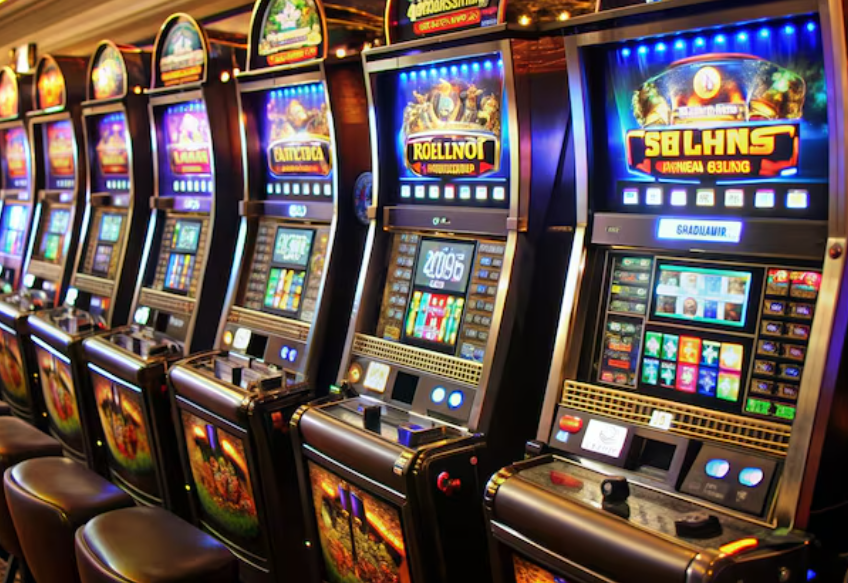
Slot games have come a long way from the mechanical machines once lined up across traditional casino floors. What began with physical reels, simple symbols, and a lever has developed into a digital form of entertainment shaped by software, mobile devices, animation, audio, and increasingly sophisticated game systems.
Modern slot gaming is no longer defined only by spinning reels. Developers now use technology to create more responsive interfaces, richer visual environments, interactive bonus features, and experiences designed to work across different screen sizes. Behind that transformation is a combination of technologies that continue to change how slot games are created and experienced.
Table of Contents
ToggleFrom Mechanical Reels to Digital Game Engines
The biggest shift in slot gaming began when mechanical components were replaced by electronic and software-based systems.
Software Expanded: What Reels Could Do
Traditional slot machines were limited by the number of physical symbols that could fit on their reels. Digital technology removed much of that restriction.
Modern game engines can support different reel layouts, animated symbols, changing backgrounds, multiple bonus stages, and features that appear only after certain events occur. Developers can also create games with expanding reels, cascading symbols, cluster-based mechanics, or other formats that move beyond the familiar three-reel structure.
Software has therefore turned the slot screen into a flexible entertainment space rather than a fixed mechanical setup.
Random Number Generators Power Game Outcomes
One of the most important technologies behind digital slot games is the random number generator, commonly known as an RNG.
An RNG continuously produces numerical sequences that software uses to determine game outcomes. When a player starts a spin, the system translates the selected numbers into the symbols displayed on the screen.
This process allows digital games to operate without physical reels while maintaining unpredictable outcomes. In regulated gaming environments, RNG systems may also be independently tested according to applicable technical standards.
Mobile Technology Changed How Slot Games Are Designed
Smartphones have had a major influence on online gaming. Instead of designing primarily for desktop computers, developers increasingly begin with smaller screens in mind.
Interfaces Must Work on Touchscreens
Buttons that look comfortable on a desktop monitor may be difficult to use on a phone. Mobile slot interfaces therefore need larger touch targets, clear menus, readable text, and layouts that remain understandable even on compact displays.
Responsive design allows the game interface to adjust according to screen size and orientation. Controls may move, menus may collapse, and game information can be reorganised automatically.
Platforms such as https://pg123.net/ reflect the wider move toward browser-based gaming environments where accessibility across modern devices has become an important part of the overall digital experience.
Performance Matters More on Mobile Devices
A visually complex slot game can contain animation, sound effects, background graphics, and multiple interactive elements. If these files are poorly optimised, loading times can increase, and performance may become inconsistent.
Developers therefore compress visual assets, optimise animations, and reduce unnecessary processing wherever possible. Efficient development is especially important because players may use devices with very different processors, screen resolutions, and network connections.
Graphics and Animation Create More Dynamic Experiences
Modern slot games often resemble small animated productions. Visual design has become one of the clearest examples of how technology has changed the format.
Symbols Are No Longer Static
Digital symbols can move, transform, disappear, expand, or trigger new animations. Winning combinations may be accompanied by visual effects, while bonus events can introduce entirely different scenes.
Animation also helps communicate what is happening. A symbol that expands across a reel can visually explain a game feature more clearly than text alone.
Developers must balance these effects carefully. Too much movement can make a screen difficult to follow, particularly on mobile devices.
Themes Can Be More Detailed
Software allows developers to build slots around almost any visual concept, from ancient civilisations and fantasy worlds to futuristic cities and adventure settings.
Backgrounds, characters, symbols, interface elements, and bonus stages can all follow the same artistic direction. This makes theme development an increasingly important part of slot production.
Audio Technology Adds Another Layer
Sound has always been associated with slot machines, but digital audio provides developers with far more control.
Music Can Respond to Gameplay
Rather than repeating the same background track continuously, modern games can change music according to what is happening on screen.
A bonus round might introduce a faster soundtrack, while a major animation may use a short musical sequence. Smaller interface sounds can confirm button presses or signal changes in the game.
This type of responsive audio can make the experience feel more connected and polished.
Better Devices Allow Richer Sound
Phones, tablets, headphones, and modern computers can reproduce much better audio than early gaming devices. Developers can therefore use layered effects, ambient sounds, voice clips, and more detailed soundtracks.
At the same time, good interface design usually gives users control over music and sound-effect volume.
Cloud Infrastructure Supports Online Slot Platforms
The technology behind a slot game extends beyond what appears on the player's screen.
Online platforms rely on servers and network infrastructure to manage accounts, game sessions, security processes, and communication between different systems.
Faster Content Delivery Reduces Waiting
Content delivery networks and distributed servers can help gaming platforms deliver files from locations closer to users. This can reduce loading times and improve consistency, particularly when games contain large visual assets.
Modern web technologies have also made it possible for many games to run directly inside browsers without requiring separate software installations.
Data Helps Developers Improve Game Design
Digital gaming generates technical information that developers can use to understand how their software performs.
They may analyse loading times, device compatibility, interface errors, or points where users experience technical problems. This information can guide future updates and help teams optimise games for a wider range of devices.
Responsible use of analytics also requires appropriate privacy protections and compliance with relevant data regulations.
Security Technology Has Become Increasingly Important
As slot gaming moves online, cybersecurity becomes part of the broader technology supporting the experience.
Gaming platforms may use encrypted connections, account authentication systems, monitoring tools, and other security measures to protect information and maintain platform integrity.
Developers and operators must continually update these systems because digital threats change over time.
The Technology Behind Slots Will Keep Evolving
The transformation of slot gaming has been driven by much more than better graphics. Software engines, RNG technology, responsive design, mobile hardware, cloud infrastructure, audio systems, animation, analytics, and cybersecurity all contribute to the modern experience.
As devices and development tools continue to improve, slot games are likely to become more flexible, interactive, and technically sophisticated. The reels may still be at the centre of the format, but the technology operating behind them is what has truly given slot gaming its biggest upgrade.